Wyszukaj na stronie

NEW PRODUCT – accesories for manual application of paint

For the season of 2015new products in portfolio Sea-Line:
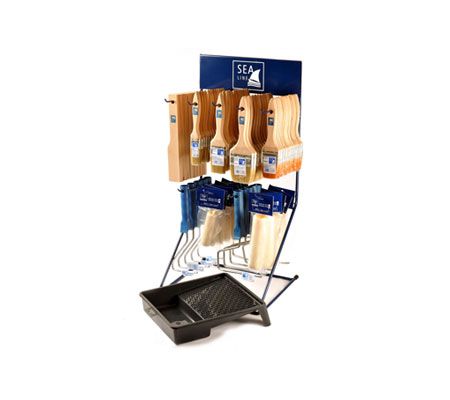

  • BRUSH PROFESSIONAL Sea-Line® Especially recommended for topcoat paint – enamel, paints, varnish, clear coats and gel coats.
  • BRUSH Sea-Line® 12 mm is the perfect tool for the application of epoxy primers and antifoulings. It is available in widths of 30, 50 and 70 mm.
  • ROLL Sea-Line® Made from the highest quality natural lamb wool (100%) of the fleece long-guests 4mm is the perfect tool for the application of polyurethane lacquers and enamels, epoxy primers and antifouling. Unilateral rounded finish with a unique welded seam can operate in difficult and inaccessible places. Roller with a width of 150 mm and a thickness of 35 mm is the ideal tool for the application of paint on large surfaces such as the sides and the bottom.
  • acomplementaryaccessories – HOLDER ROLL, PAINT TRAY Sea-Line®, MIXER FOR PAINT Sea-Line® woodenspatula for easy mixing paint one and two component paints.
NEW PRODUCT – accesories for manual application of paint

Also check

Our FAQ answers to frequently asked questions

Why are the streaks formed?

Possible causes

  • Wrong viscosity and spraying technique,
  • Failure to maintain proper evaporation time and thickness of layers,
  • Incorrect spraying pressure,
  • Too low temperature of varnish, surface or space ,
  • Wrong thinner or hardener.

How to prevent

  • Apply the right type of application method indicated by manufacturer,
  • Use working spray guns,
  • Both the object and material must have room temperature of 20ﹾC,
  • Apply correct proportion of base and hardener.

How to remove

  • Grinding and polishing,
  • Grinding and painting,

Is it necessary to always sand the surface between application of two different products?

We recommend to always sand the surface between applying two different products to ensure uniform surface roughness and adhesion of subsequent layers. The sanded surface should also be cleaned and degreased.

Why the epoxy filler does not harden?

Possible causes

  • Incorrect proportion of base and herdener,
  • Too low temperature of ambient and surface (less than 10ﹾC),
  • Mixing two components from two different manufacturers,

How to prevent

  • Apply the correct proportions of components
  • Maintain steady temperature (around 20ﹾC) during the whole hardening process,
  • Use base and hardener from the same manufacturer

How to remove

  • The uncured mass requires complete removal from the surface.
Wyjście
Przeiń na górę