Wyszukaj na stronie

Keel protection

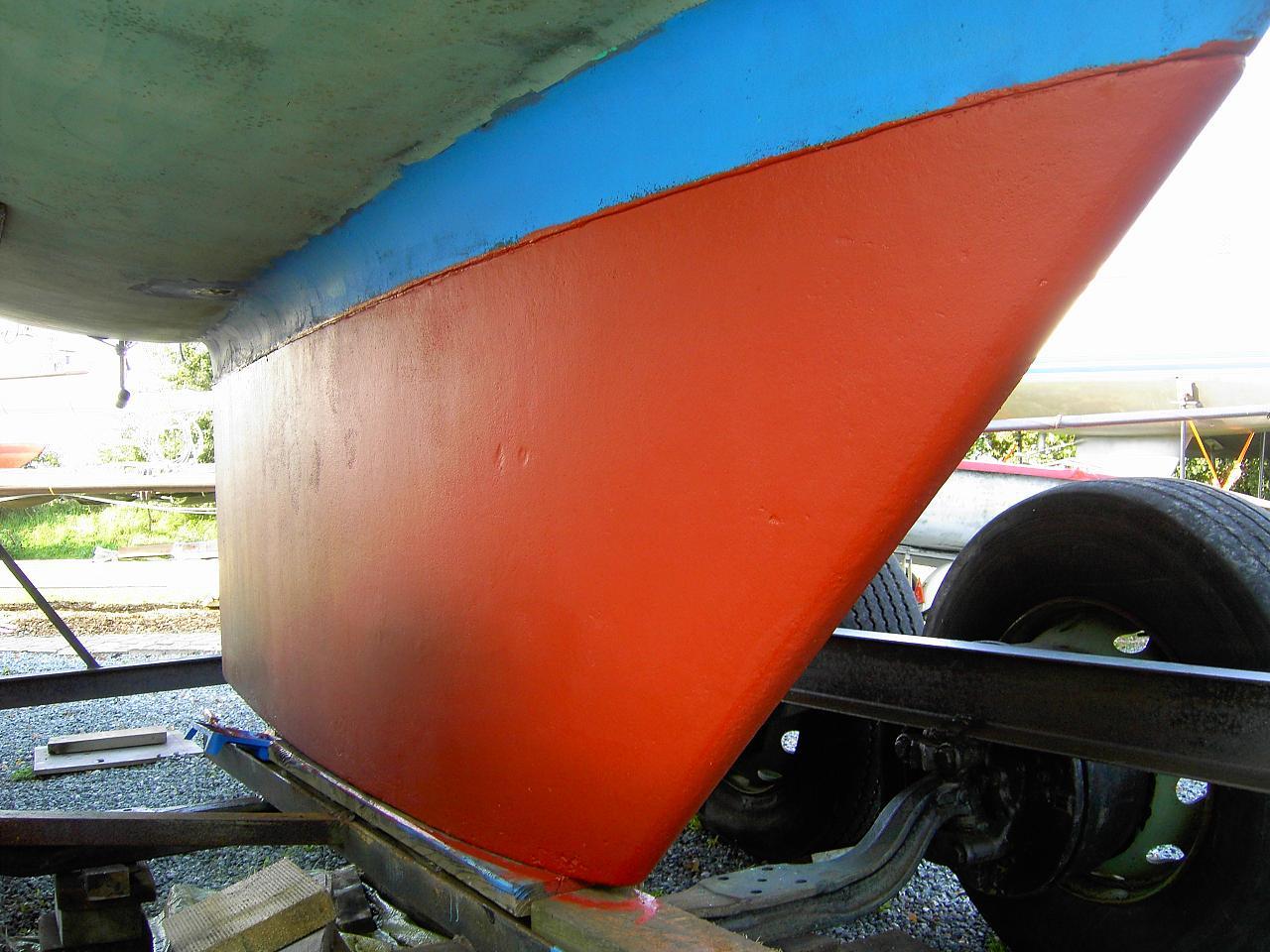
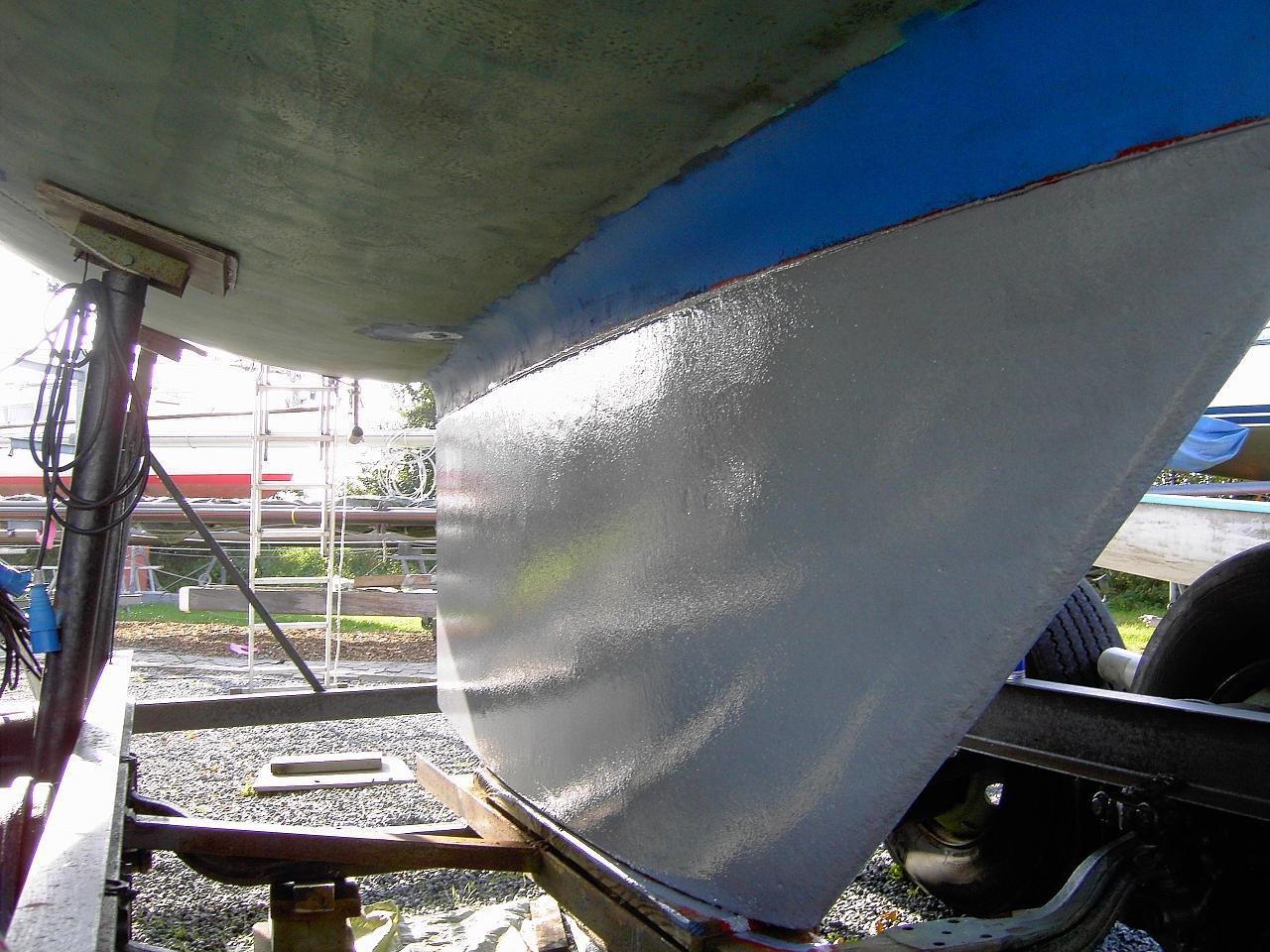
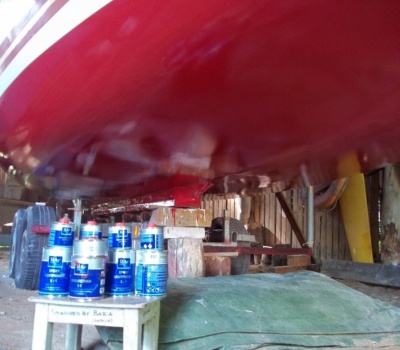
Keel painted on April 2010 with antyosmotic HS Primer Sea-Line and anticorrosion Primer Sea-Line. Longlasting effect and not reason to complain.

Alfred Weiskeller, boat Dulcibella, Germany
Keel protection

Warning: Undefined variable $gallery_style in /home/klient.dhosting.pl/troton/sea-line.eu/public_html/wp-content/themes/Sea-Line/functions.php on line 172

Warning: Undefined variable $gallery_style in /home/klient.dhosting.pl/troton/sea-line.eu/public_html/wp-content/themes/Sea-Line/functions.php on line 172
  • eigene bilder dulcibella kiel klein
  • eigene bilder dulcibella kiel klein
  • lucibella
  • lucibella

Do you have questions about "Keel protection"

    Also check

    Our FAQ answers to frequently asked questions

    Why the paint does not have the right flow?

    Possible causes

    • No thinning, wrong thinner or wrong amount of thinner
    • Wrong type of roll or brush (wrong bristle lenght)
    • Applying too much or too Little paint,
    • During painting process temperature was too high or the air was too dry,
    • Incorrect preparation of too porous surface,
    • Incorrect proportion of thinner.

    How to prevent

    • Use a brush/Toller suited to the type of surface or paint,
    • Use thinner which is dedicated to the type of application and paints
    • Use thinning proportions which was indicated by manufacturer,
    • Paint in right atmosphere conditions indicated by manufacturer,

    How to remove

    • Grind, clean and paint again.

    Why despite the use of antifouing paint the bottom of the boat is overgrown?

    Possible causes

    • Too thin layer of antifouling paint,
    • Choosing the wrong antifouling to type of a boat or yacht
    • Thinning of antifouling paint,
    • Incorrect surface preparation before antifouling application.

    How to prevent

    • Apply the right layer thickness of paint indicated by manufacturer,
    • Choose antifouling dedicated to type of boat or yacht and suitable for the type of water,
    • Do not thin antifouling because of the risk of reducing effectiveness,
    • Careful surface preparations (grinding, clearing, degreasing),

    How to remove

    • Wet grinding, apply new layers of antifouling paint.
    • Use C1 shell and fouling remover.

    Do you have to paint the scratched side of the boat?

    If the scratches are not deep, then we can renew the scratched side by polishing with Sea-Line polishing pastes. Above the waterline, when the scratches are not deep, the surface can be repaired with a DRY FAST gel coat filler. Deep scratches should be filled with epoxy filler (selected depending on the requirements of the scratched surface), painted with a primer and then painted with topcoat.

    Wyjście
    Przeiń na górę