Please be advised that due to a national holiday on November 1st-2nd 2018 our production and sales are closed.
Thank you for understanding and we apologize for any difficulties.

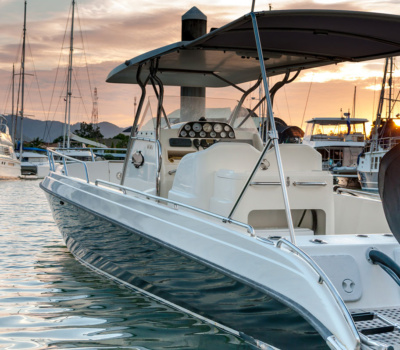
We are expanding our offer by introducing two new products that will provide boat enthusiasts
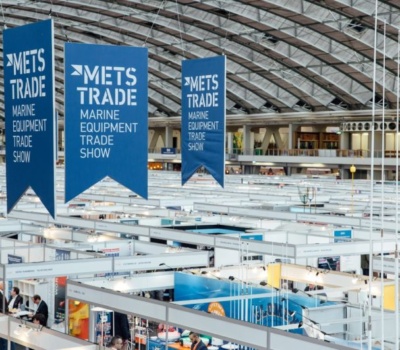
Come and join us at METSTRADE 2023, METSTRADE the best event for marine industry professionals,
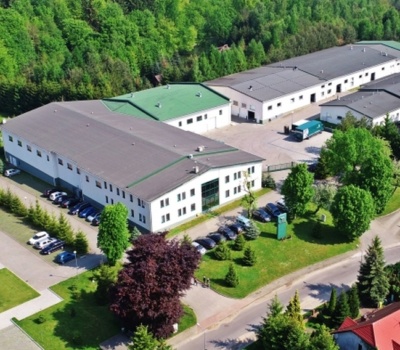
Visit us and our production plant without traveling

New in the 2023 season is a new polishing wool The new black and white
Do not add more hardener, because after the base has cured, the remaining hardener will react with subsequent layers, which will be applied to the surface and cause defects. For the product to work properly, please follow the proportions given by the manufacturer.
We do not recommend using universal thinners. The use of a thinner with an unknown composition may result in loss of adhesion, lack of proper flow of paint and varnish defects.
Troton Sp z o.o.
78-120 Gościno
Ząbrowo 14A
Polska
Sąd Rejonowy w Koszalinie IX Wydz. KRS 0000187692;
Kapitał zakładowy 8 215 000 PLN


 Facebook
 YouTube
 Instagram
 Guide
Guide Contact
 Newsletter