Wyszukaj na stronie

Contest „ Renovation with Sea-Line”

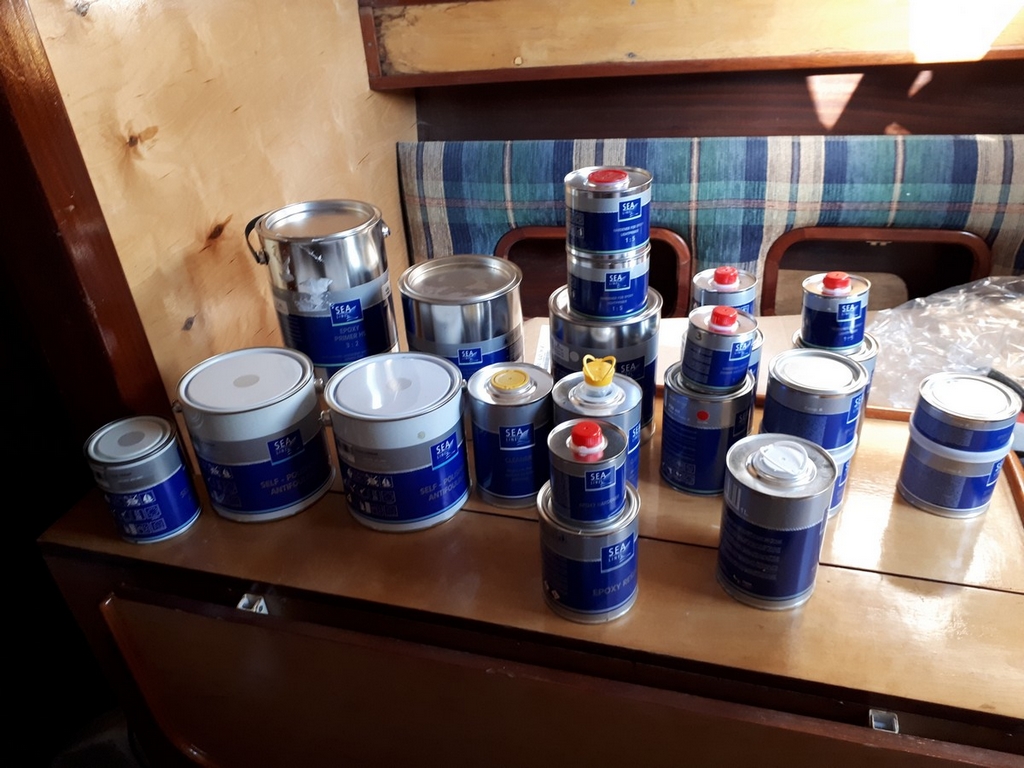
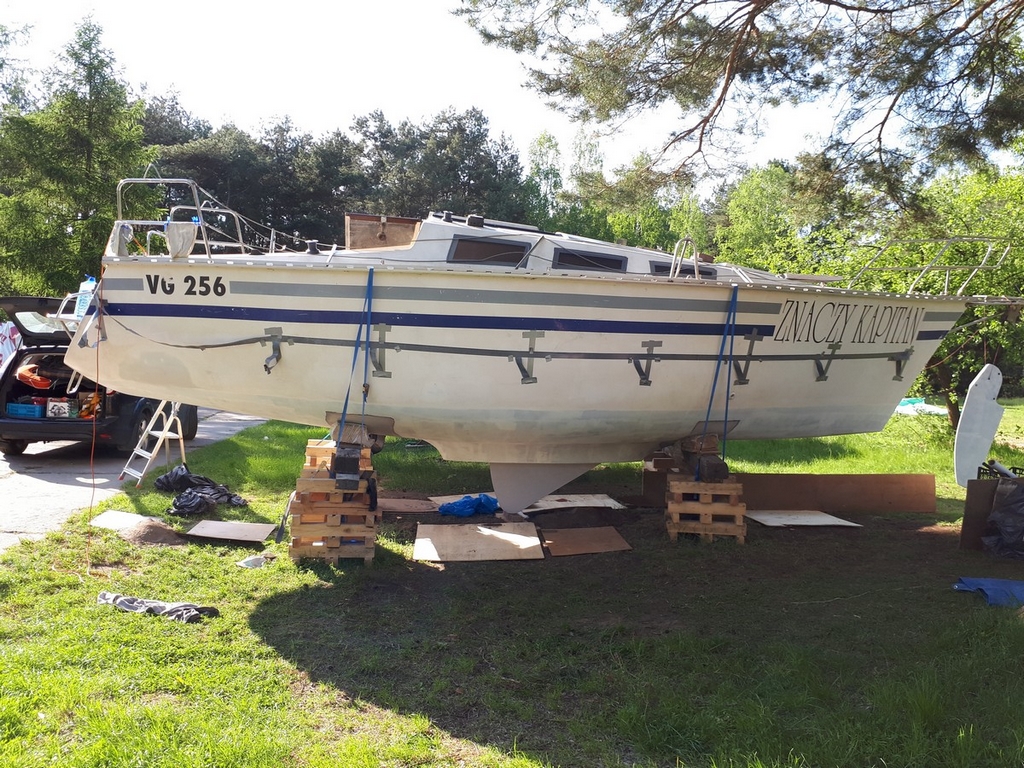
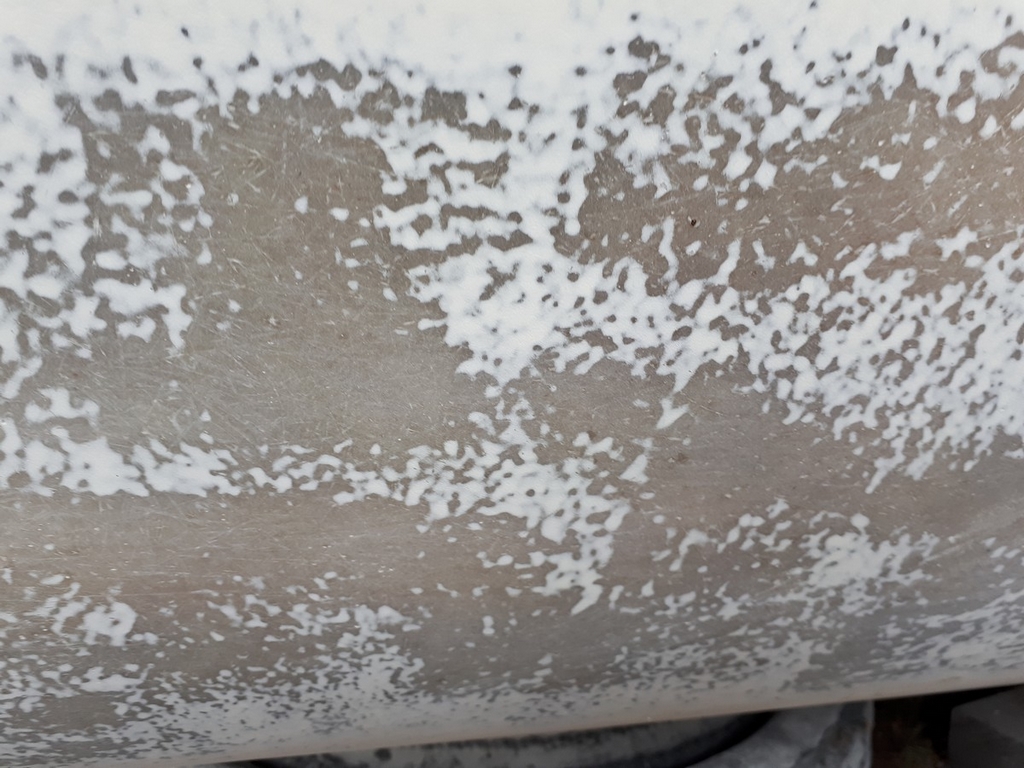
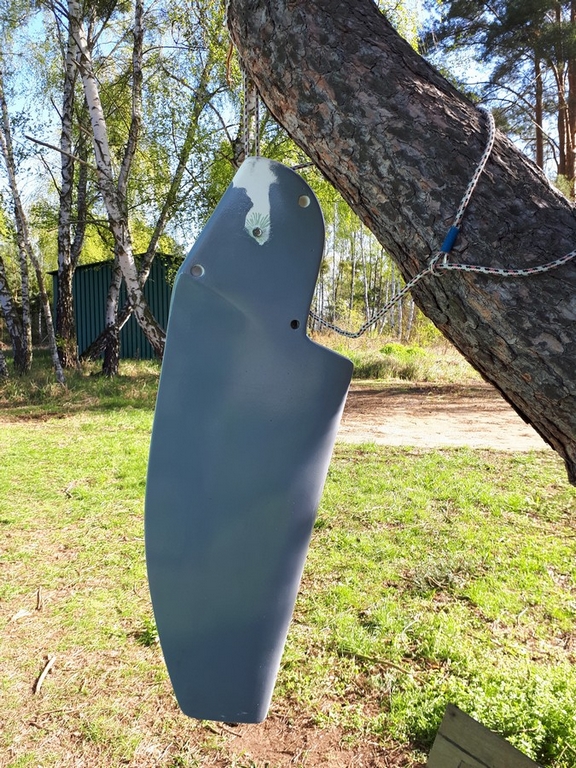
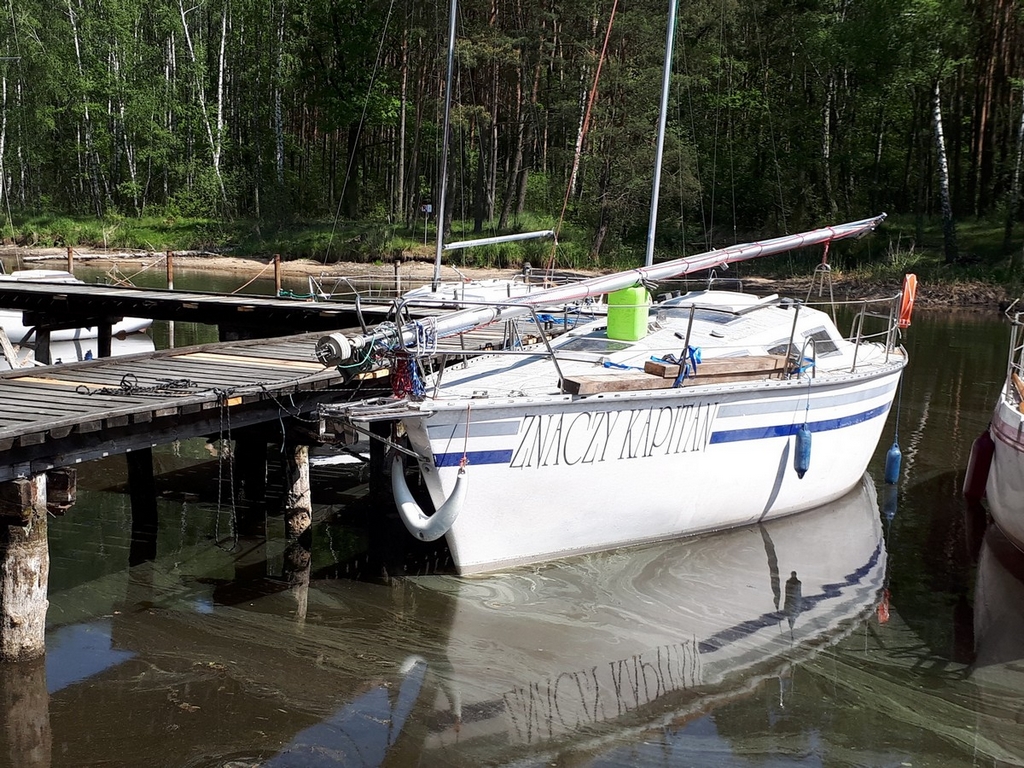
June 20 was final of I edition of contest “Renovation with Sea-Line”. The winner is Mr. Michal for Photoreport from renovation yacht “Znaczy Kapitan” with using antiosmotic system Sea-Line .

Congratulation for the winner.
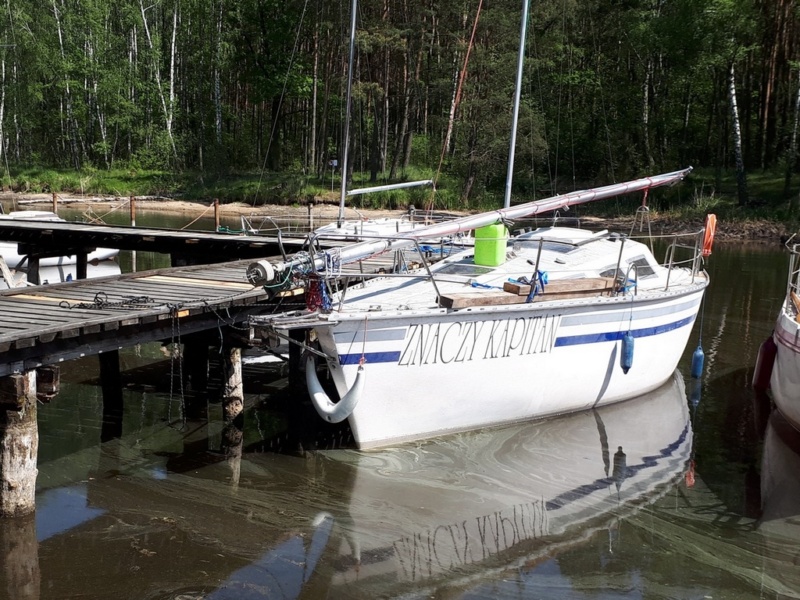
Contest „ Renovation with Sea-Line”

Warning: Undefined variable $gallery_style in /home/klient.dhosting.pl/troton/sea-line.eu/public_html/wp-content/themes/Sea-Line/functions.php on line 172

Warning: Undefined variable $gallery_style in /home/klient.dhosting.pl/troton/sea-line.eu/public_html/wp-content/themes/Sea-Line/functions.php on line 172
  • micha ciebiura zdj
  • micha ciebiura zdj
  • micha sciebiura zdj
  • micha ciebiura zdj
  • micha ciebiura zdj

We would like to thank all the contestants for the uploaded material.

The entire photo report of our winner and not only will be available on www.jachtowe.com.pl
Also check

Our FAQ answers to frequently asked questions

Can I use selfpolishing Sea-Line and HARD Sea-Line antifoulings on aluminium boat?

Sea-Line HARD and Sea-Line self-polishing antifouling are not intended for aluminum surfaces. They include copper oxide, which in contact with aluminum causes galvanic corrosion. Especially on aluminum, we offer ALU-PLUS self-polishing anti-fouling paint, which, in addition to excellent adhesion to aluminum, is also 30% more effective than traditional anti-fouling paints.

Why despite the use of antifouing paint the bottom of the boat is overgrown?

Possible causes

  • Too thin layer of antifouling paint,
  • Choosing the wrong antifouling to type of a boat or yacht
  • Thinning of antifouling paint,
  • Incorrect surface preparation before antifouling application.

How to prevent

  • Apply the right layer thickness of paint indicated by manufacturer,
  • Choose antifouling dedicated to type of boat or yacht and suitable for the type of water,
  • Do not thin antifouling because of the risk of reducing effectiveness,
  • Careful surface preparations (grinding, clearing, degreasing),

How to remove

  • Wet grinding, apply new layers of antifouling paint.
  • Use C1 shell and fouling remover.

Why the resin does not harden?

Possible causes

  • Too low temperature of ambitne,
  • Incorrect proportion of base and herdener,
  • Mixing two components from two different manufacturers

How to prevent

  • Apply the correct proportions of components
  • Maintain steady temperature (around 20ﹾC) during whole hardening process,
  • Mix the products thoroughly and bleed the mixture.

How to remove

  • The uncured mass requires complete removal from the surface.
Wyjście
Przeiń na górę