Dears Sirs,
On the occasion of the upcoming holidays,
we would like to wish you a satisfying, rich
in business decisions and wellbeing
in private life Year 2019.
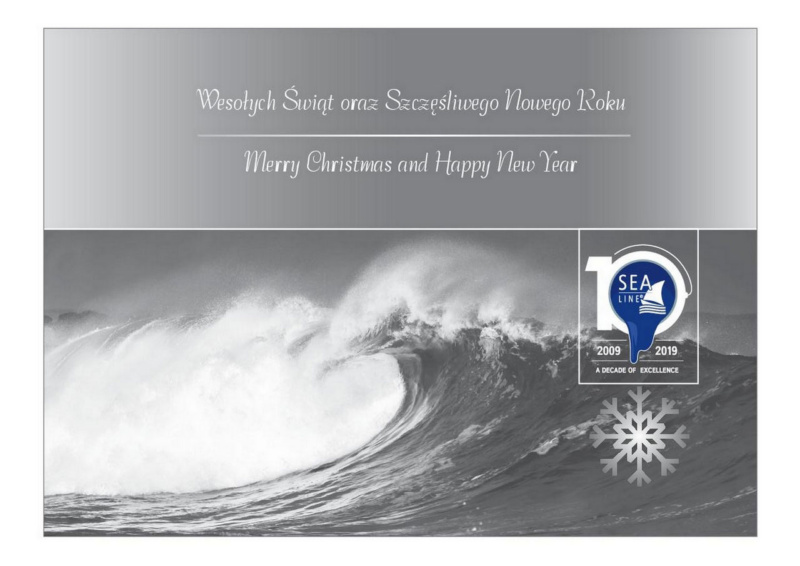
2019 will be a special year for us due to the 10th anniversary of the brand’s existence. This is a perfect opportunity to express our gratitude. During these 10 years we were able to meet many wonderful people without whom our success would not be possible.
We would like to thank everybody for the cooperation, meetings, valuable remarks, constructive criticism and commitment in building the Sea-Line Brand. We look into the future with great hope for further development and mutual satisfaction from the achieved results.
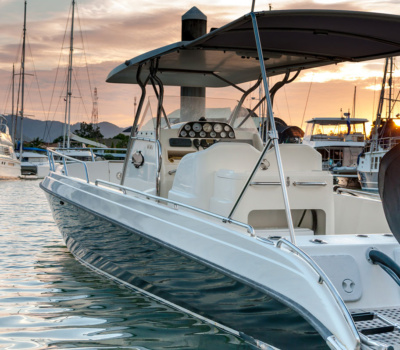
We are expanding our offer by introducing two new products that will provide boat enthusiasts
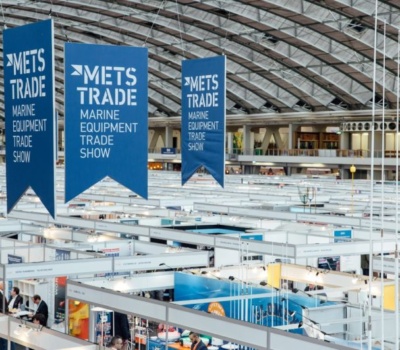
Come and join us at METSTRADE 2023, METSTRADE the best event for marine industry professionals,

Visit us and our production plant without traveling
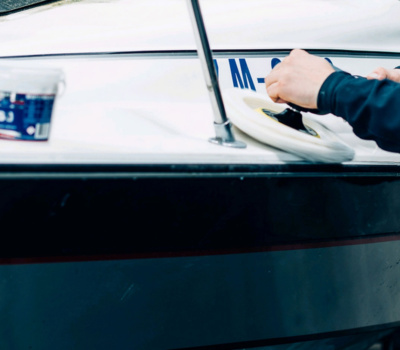
New in the 2023 season is a new polishing wool The new black and white
Yes, you can mix Sea-Line polyurethane paints. The only difference are the pigments of polyurethane paints that determine the color of the paint. But remember to keep the right proportions of base, hardener and thinner.
We do not recommend using universal thinners. The use of a thinner with an unknown composition may result in loss of adhesion, lack of proper flow of paint and varnish defects.
Troton Sp z o.o.
78-120 Gościno
Ząbrowo 14A
Polska
Sąd Rejonowy w Koszalinie IX Wydz. KRS 0000187692;
Kapitał zakładowy 8 215 000 PLN


 Facebook
 YouTube
 Instagram
 Guide
Guide Contact
 Newsletter