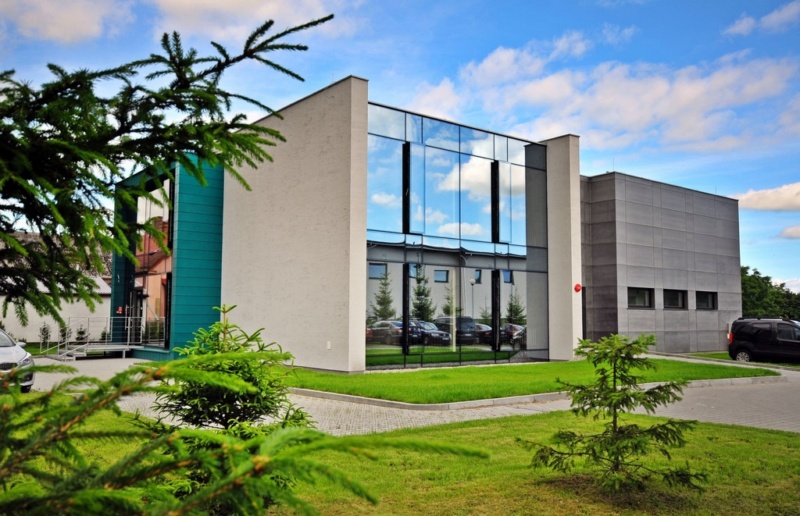
On Monday, October 18, 2021 and Friday, October 22, 2021, modernization works of the electrical network will be carried out in the area where our headquarters is located. This work will result in electric power cuts. Due to the above, on these days, the execution of orders will be postponed to the next day. Please plan your orders keeping in mind the possible longer realisation time.
Communication by email and office phones may be limited. In urgent cases, please contact us at the following telephone numbers:
We apologize for the inconvenience and we ask for your understanding.
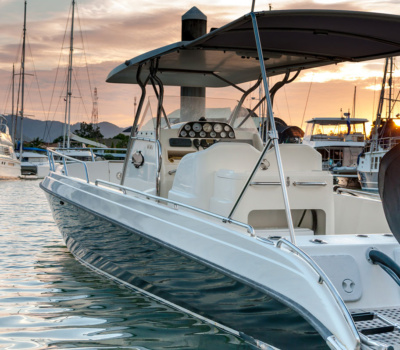
We are expanding our offer by introducing two new products that will provide boat enthusiasts
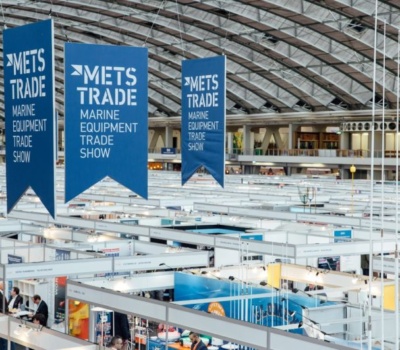
Come and join us at METSTRADE 2023, METSTRADE the best event for marine industry professionals,
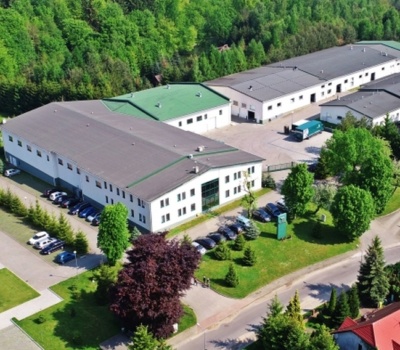
Visit us and our production plant without traveling
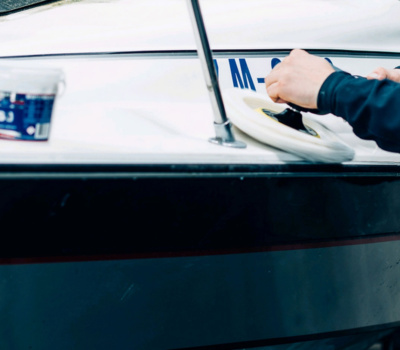
New in the 2023 season is a new polishing wool The new black and white
Yes, you can mix Sea-Line polyurethane paints. The only difference are the pigments of polyurethane paints that determine the color of the paint. But remember to keep the right proportions of base, hardener and thinner.
Sea-Line HARD and Sea-Line self-polishing antifouling are not intended for aluminum surfaces. They include copper oxide, which in contact with aluminum causes galvanic corrosion. Especially on aluminum, we offer ALU-PLUS self-polishing anti-fouling paint, which, in addition to excellent adhesion to aluminum, is also 30% more effective than traditional anti-fouling paints.
Troton Sp z o.o.
78-120 Gościno
Ząbrowo 14A
Polska
Sąd Rejonowy w Koszalinie IX Wydz. KRS 0000187692;
Kapitał zakładowy 8 215 000 PLN


 Facebook
 YouTube
 Instagram
 Guide
Guide Contact
 Newsletter