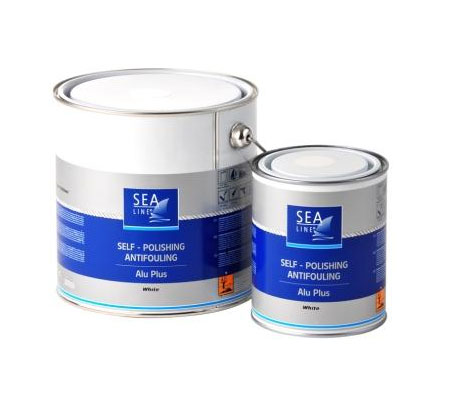
NEW OFFER! Selfpolishing Antifouling for aluminium boats. Recommended for salty and sweet water. It is suitable for sailing and motor boats up to speed to 40 knots.
Recommended to protect areas below the water line. Suitable for all kind of boats up to 40 knots of speed. Extremely effective, very high performance
No risk of galvanic corrosion on aluminium surfaces.Paint is composed of copper oxide and resins. It does not contain tin compounds.
Performance 12 m2 per liter for coat 50μm. Can 0,75 l and 2,5 l.
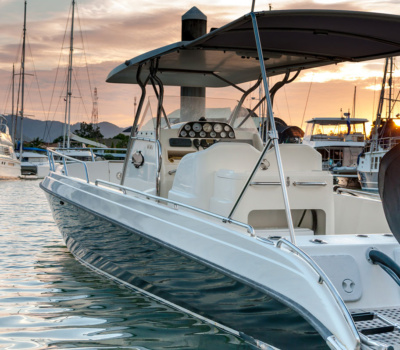
We are expanding our offer by introducing two new products that will provide boat enthusiasts
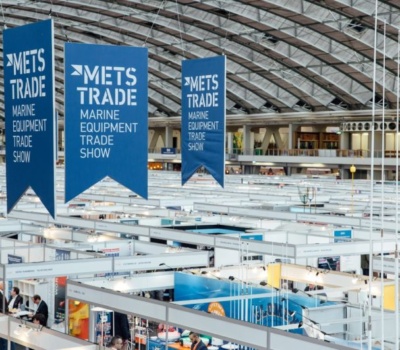
Come and join us at METSTRADE 2023, METSTRADE the best event for marine industry professionals,
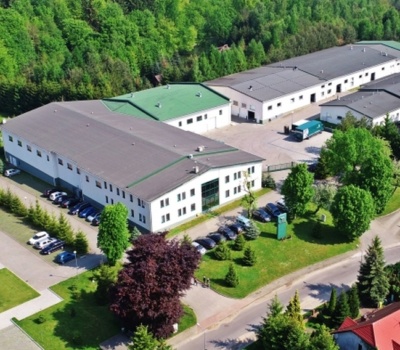
Visit us and our production plant without traveling
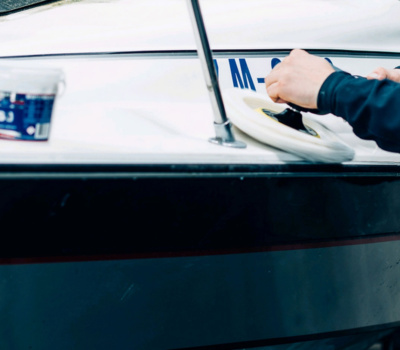
New in the 2023 season is a new polishing wool The new black and white
Yes, you can paint the bottom of the boat with polyurethane paint due to its high mechanical strength. We recommend this solution when the boat is not launched for a long time and is not exposed to fouling.
Troton Sp z o.o.
78-120 Gościno
Ząbrowo 14A
Polska
Sąd Rejonowy w Koszalinie IX Wydz. KRS 0000187692;
Kapitał zakładowy 8 215 000 PLN


 Facebook
 YouTube
 Instagram
 Guide
Guide Contact
 Newsletter