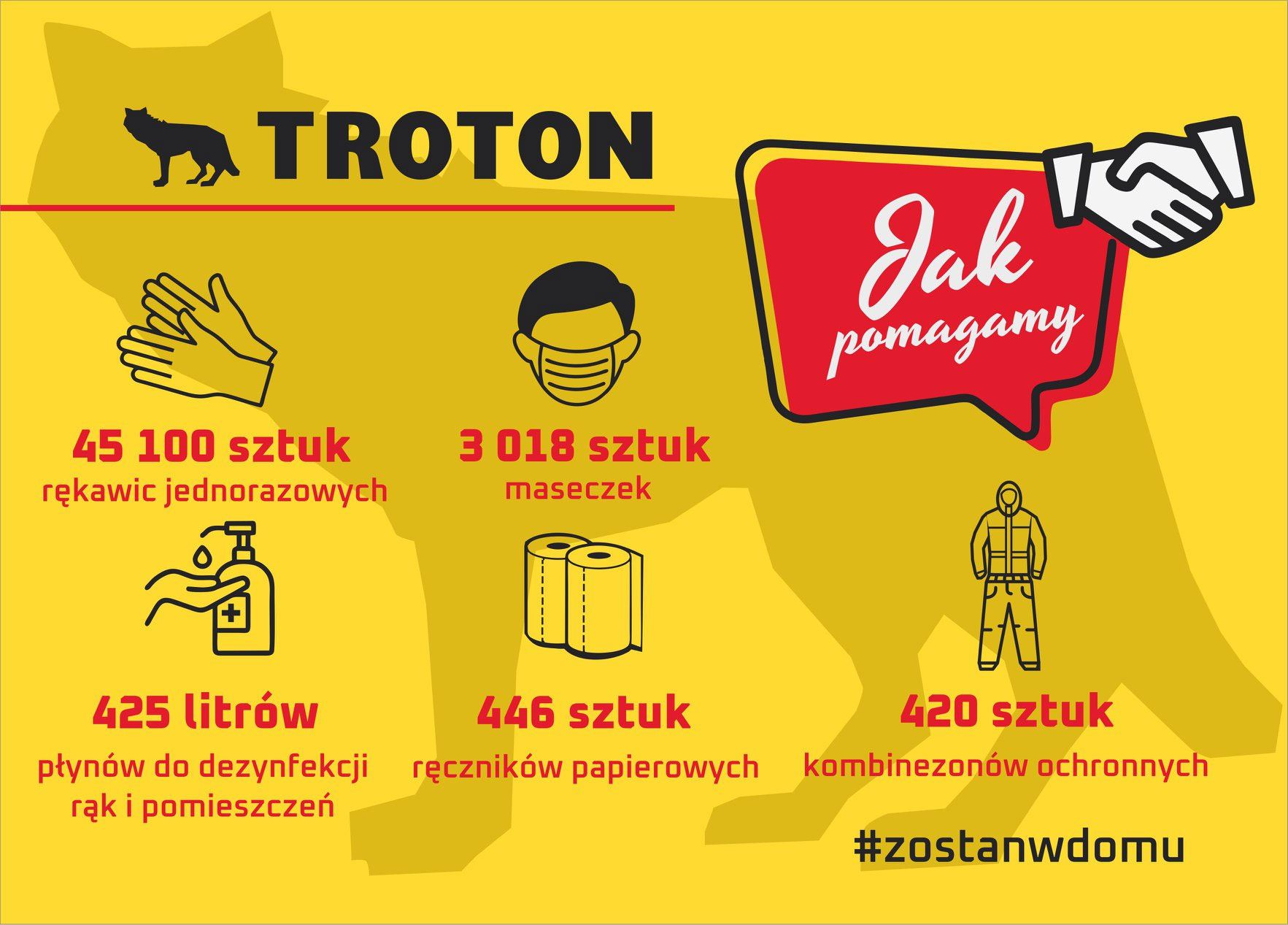
We provided over 45000 pairs of disposable gloves, 3000 masks, 420 disposable overalls, 450 paper towels and 450 liters of disinfectant liquid for medical and emergency services free of charge. We try to help those who need it most now: hospitals, fire brigades, care centers.
We believe that solidarity with those on the front lines is extremely important and needed at this time.
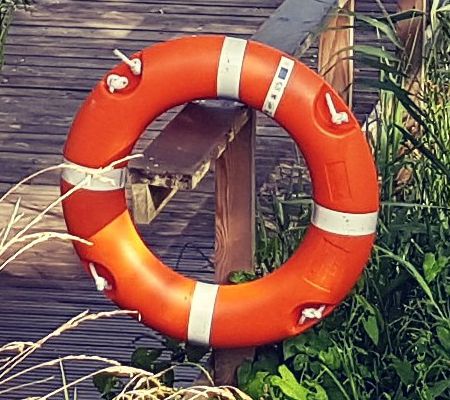
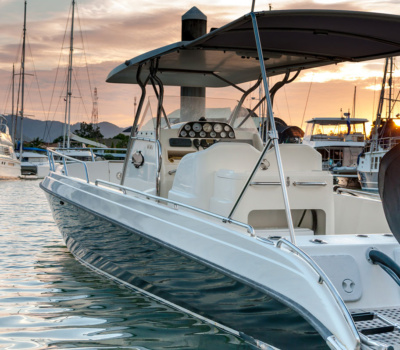
We are expanding our offer by introducing two new products that will provide boat enthusiasts
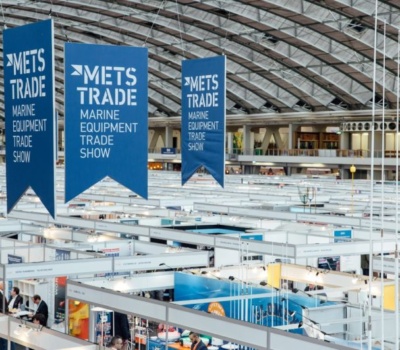
Come and join us at METSTRADE 2023, METSTRADE the best event for marine industry professionals,
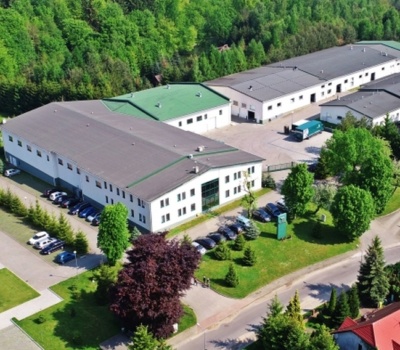
Visit us and our production plant without traveling
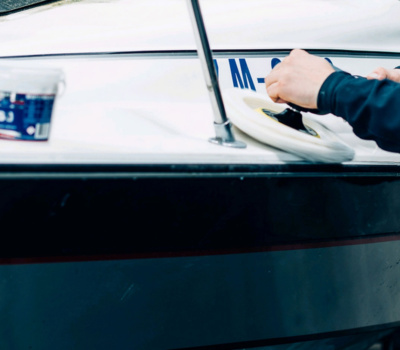
New in the 2023 season is a new polishing wool The new black and white
Sea-Line HARD and Sea-Line self-polishing antifouling are not intended for aluminum surfaces. They include copper oxide, which in contact with aluminum causes galvanic corrosion. Especially on aluminum, we offer ALU-PLUS self-polishing anti-fouling paint, which, in addition to excellent adhesion to aluminum, is also 30% more effective than traditional anti-fouling paints.
We do not recommend using universal thinners. The use of a thinner with an unknown composition may result in loss of adhesion, lack of proper flow of paint and varnish defects.
We recommend to always sand the surface between applying two different products to ensure uniform surface roughness and adhesion of subsequent layers. The sanded surface should also be cleaned and degreased.
Troton Sp z o.o.
78-120 Gościno
Ząbrowo 14A
Polska
Sąd Rejonowy w Koszalinie IX Wydz. KRS 0000187692;
Kapitał zakładowy 8 215 000 PLN


 Facebook
 YouTube
 Instagram
 Guide
Guide Contact
 Newsletter