Wyszukaj na stronie

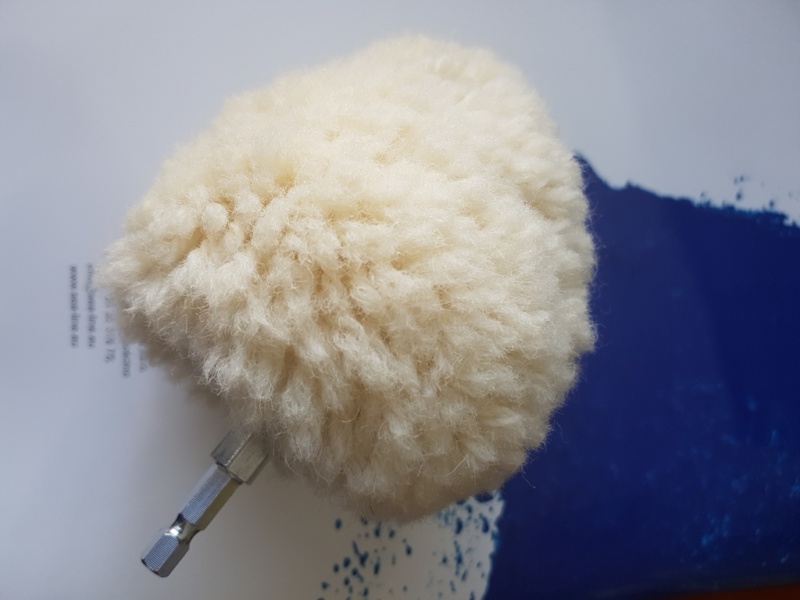
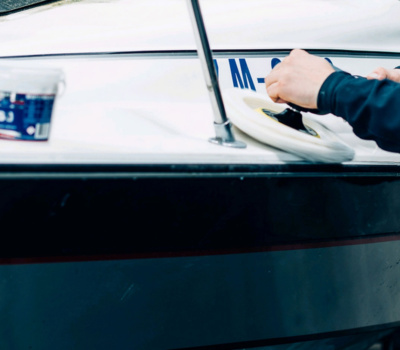
Polishing cone is taking over control!

Polishing wool ball will be changed on cone shape.

Why shape of cone is more beneficial choice than ball? Because innovatory shape of cone :

  • allow us get to places which were practically unable to reach,
  • effectivity of polishing works are increasing.

Don’t be afraid! Polishing head in form of cone is as our other applicators:

  • is made in 100% from natural wool,
  • is dedicated to polishing gelcoats, tool gelcoats, paints and PU varnishes.

More info: info@sea-line.eu

Polishing cone is taking over control!

Also check

Our FAQ answers to frequently asked questions

Why the paint does not have the right flow?

Possible causes

  • No thinning, wrong thinner or wrong amount of thinner
  • Wrong type of roll or brush (wrong bristle lenght)
  • Applying too much or too Little paint,
  • During painting process temperature was too high or the air was too dry,
  • Incorrect preparation of too porous surface,
  • Incorrect proportion of thinner.

How to prevent

  • Use a brush/Toller suited to the type of surface or paint,
  • Use thinner which is dedicated to the type of application and paints
  • Use thinning proportions which was indicated by manufacturer,
  • Paint in right atmosphere conditions indicated by manufacturer,

How to remove

  • Grind, clean and paint again.

Can I use yacht paints for a drinking water tank?

Sea-Line yacht paints are designed for painting the surface of boats and yachts made of various materials, e.g. laminate, wood or steel. We do not have a certificate of the National Institute of Hygiene, which would allow the use of yacht paint to paint the tank with drinking water.

Why despite the use of antifouing paint the bottom of the boat is overgrown?

Possible causes

  • Too thin layer of antifouling paint,
  • Choosing the wrong antifouling to type of a boat or yacht
  • Thinning of antifouling paint,
  • Incorrect surface preparation before antifouling application.

How to prevent

  • Apply the right layer thickness of paint indicated by manufacturer,
  • Choose antifouling dedicated to type of boat or yacht and suitable for the type of water,
  • Do not thin antifouling because of the risk of reducing effectiveness,
  • Careful surface preparations (grinding, clearing, degreasing),

How to remove

  • Wet grinding, apply new layers of antifouling paint.
  • Use C1 shell and fouling remover.
Wyjście
Przeiń na górę