Sea-Line in Warsaw Fair Wind and Water!
We would like to invite you 08-11March tomeet us at our boothnumber 170 A in hall H1.
As always,we offer adviceand assistanceon technical issues, advise how to paint theboat, how to protectthe hullagainst osmosisorfouling.
See you in Warsaw!
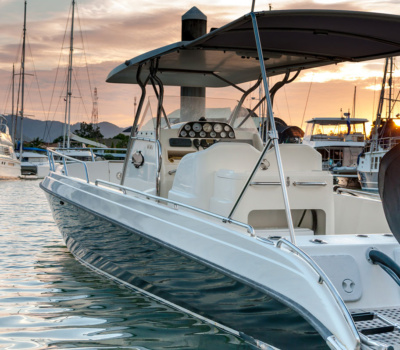
We are expanding our offer by introducing two new products that will provide boat enthusiasts
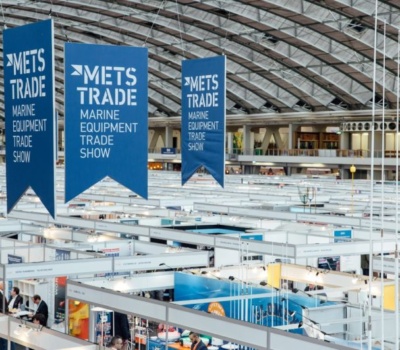
Come and join us at METSTRADE 2023, METSTRADE the best event for marine industry professionals,
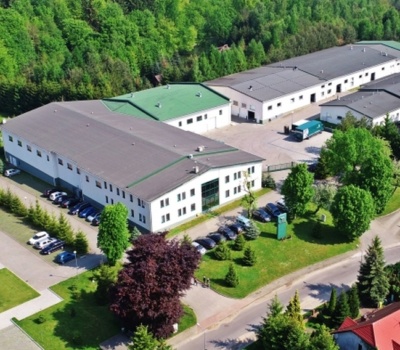
Visit us and our production plant without traveling
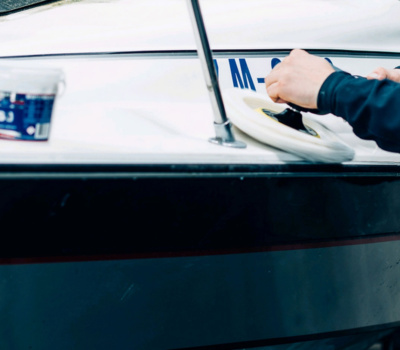
New in the 2023 season is a new polishing wool The new black and white
Sea-Line HARD and Sea-Line self-polishing antifouling are not intended for aluminum surfaces. They include copper oxide, which in contact with aluminum causes galvanic corrosion. Especially on aluminum, we offer ALU-PLUS self-polishing anti-fouling paint, which, in addition to excellent adhesion to aluminum, is also 30% more effective than traditional anti-fouling paints.
Troton Sp z o.o.
78-120 Gościno
Ząbrowo 14A
Polska
Sąd Rejonowy w Koszalinie IX Wydz. KRS 0000187692;
Kapitał zakładowy 8 215 000 PLN


 Facebook
 YouTube
 Instagram
 Guide
Guide Contact
 Newsletter