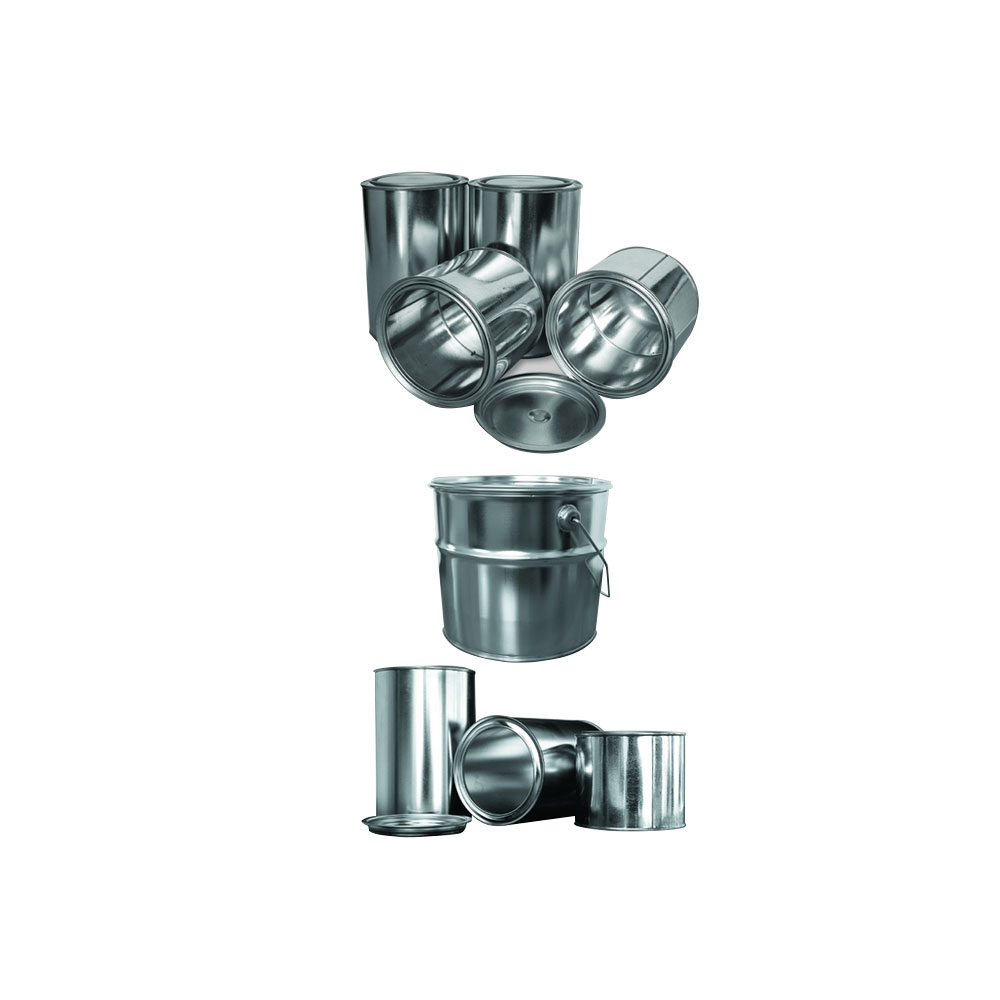
Metal containers are used not only for production but also for storing painting materials.
Metal cans are safer and more resistant to mechanical damage than plastic containers.
| Capacity | Code | Lid / stopper for the can |
|---|---|---|
| Can under the lid | ||
| 0,25 L | 500001132 | 500000408 |
| 0,5 L | 500002490 | 500000428 |
| 1 L | 500001039 | 500000428 |
| Can under cork | Code | Can stopper |
| 0,25 L | 500001139 | 500000994 |
| 1 L | 500001038 | 500001001 |
| Gallon (3,75 L) | Code | Gallon lid |
| 500000180 | 500003543 | |
| Bucket | Code | Lid for the bucket |
| 3 L | 500001190 | – with the lid |
| 5 L | 500001227 | 500004543 |
| 10 L | 500001261 | 500005050 |
| 20 L | 500001232 | 500005050 |
| Canister under the cork | Code | Canister cap |
| 2,5 L | 500001910 | 500001001 |
| 5 L | 500001911 | 500001001 |
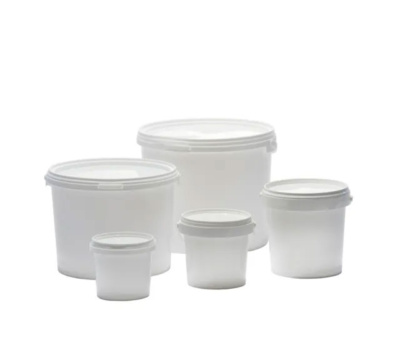
Convenient containers for mixing and storing paints and lacquers, complete with lids.
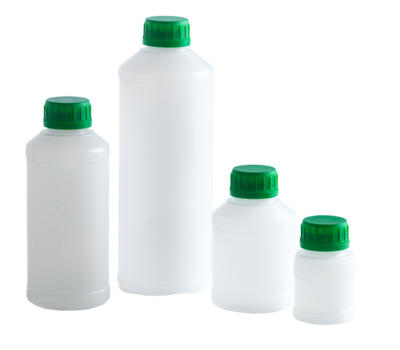
Handy bottles with scale and cork, for thinners, lacquers, hardeners, etc.
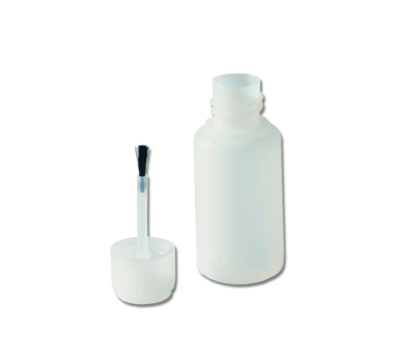
Product is a perfect solution for customers of paint mixing stations and paint workshop. Each
If the scratches are not deep, then we can renew the scratched side by polishing with Sea-Line polishing pastes. Above the waterline, when the scratches are not deep, the surface can be repaired with a DRY FAST gel coat filler. Deep scratches should be filled with epoxy filler (selected depending on the requirements of the scratched surface), painted with a primer and then painted with topcoat.
There is a possibility of thinning antifouling, but we do not recommend this procedure due to the risk of reducing the effectiveness of the paint. If it is necessary to thin the antifouling paint, it is recommended to dilute it to a maximum of 0-5% (by volume).
Troton Sp z o.o.
78-120 Gościno
Ząbrowo 14A
Polska
Sąd Rejonowy w Koszalinie IX Wydz. KRS 0000187692;
Kapitał zakładowy 8 215 000 PLN


 Facebook
 YouTube
 Instagram
 Guide
Guide Contact
 Newsletter