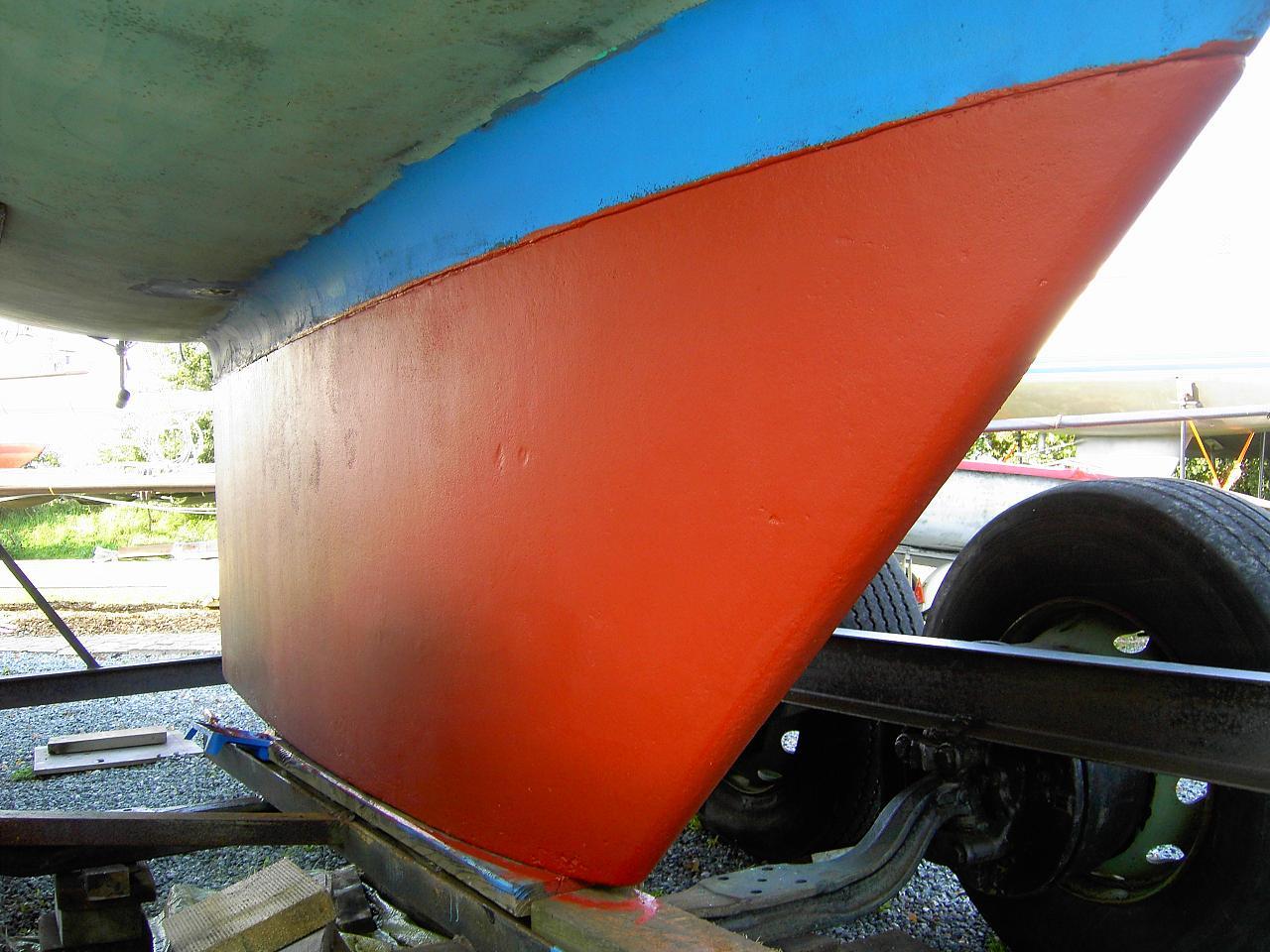
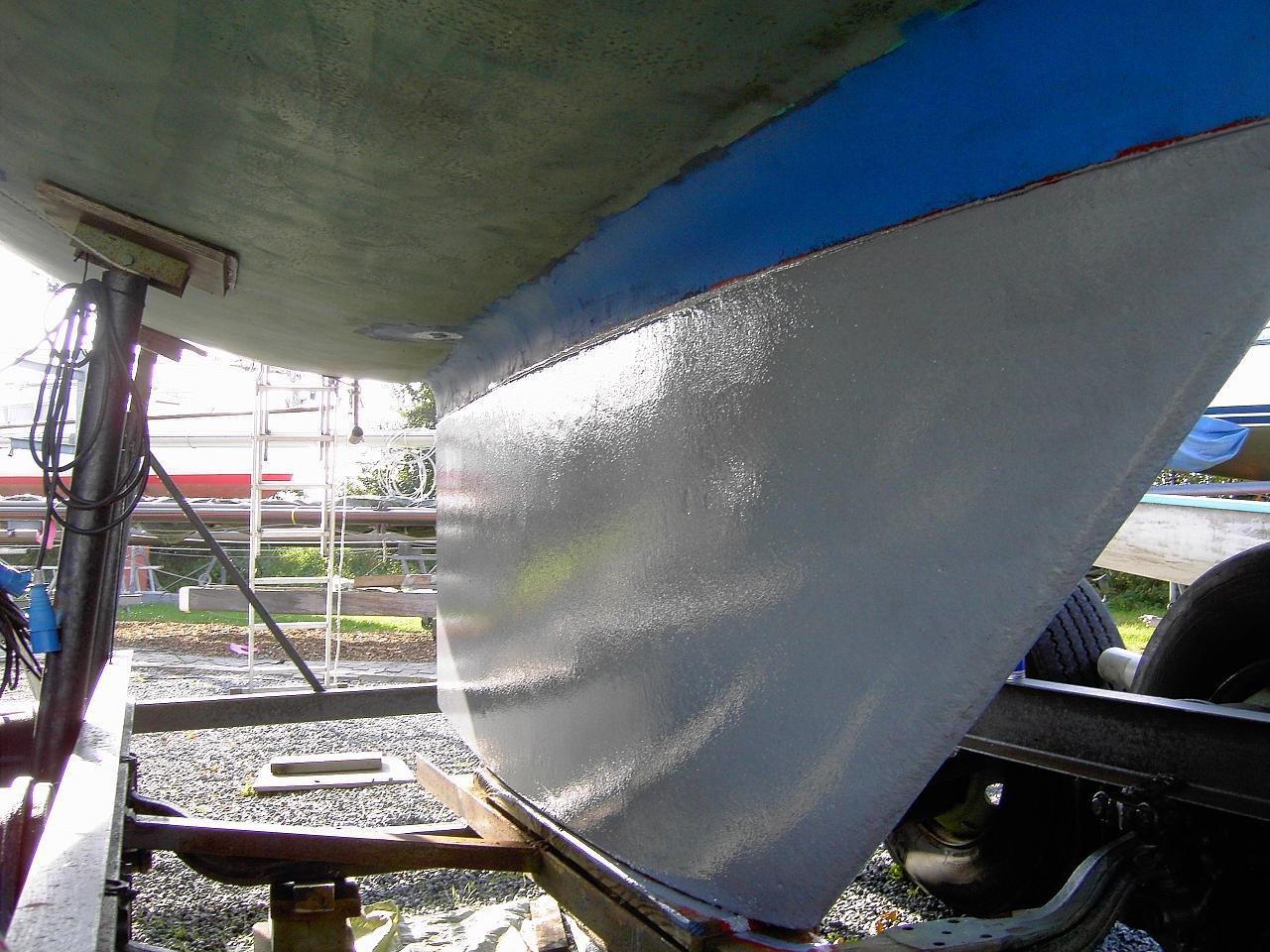
Keel painted on April 2010 with antyosmotic HS Primer Sea-Line and anticorrosion Primer Sea-Line. Longlasting effect and not reason to complain.
Alfred Weiskeller, boat Dulcibella, Germany
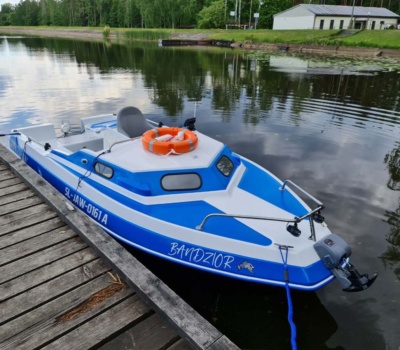
Renovation of the Spanish motorboat Ducauto caribe. “Cut in half, gutted and made according to
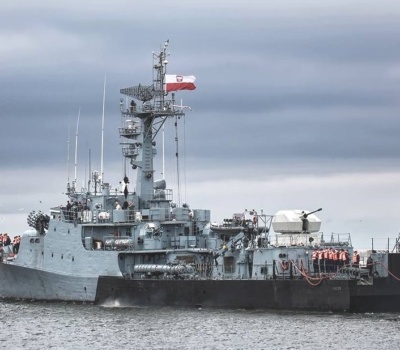
Cosmetics Sea-Line use in Polish Army for cleaning and protect Sea Gun AM35 on „ORP
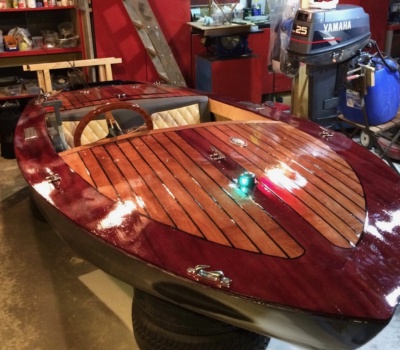
Mr. Wojciech Ceiślik, boatbuilder Glen-L Squirt: „I recommend Sea-Line products to everyone who builds and
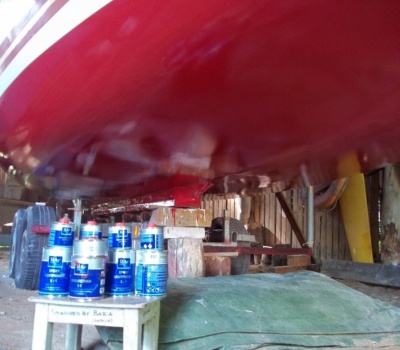
„… It was not easy, hard job on knees with mask and glasses. Feeling like
It is not recommended to apply 2K paints over 1K paints. 1K and 2K inks differ in their composition and properties, including hardness, chemical resistance and durability. 1K paints are one-component and dry by evaporating the solvent, while 2K paints are two-component and need to be cured by adding a hardener. Applying 2K paint over 1K paint can cause unpredictable chemical reactions and lead to undesirable effects such as dulling, chipping or flaking of the paint. Therefore, always use paints according to the manufacturer’s instructions and do not mix different types of paints. farby zgodnie z instrukcjami producenta i nie mieszać różnych rodzajów farb.
We do not recommend using universal thinners. The use of a thinner with an unknown composition may result in loss of adhesion, lack of proper flow of paint and varnish defects.
Troton Sp z o.o.
78-120 Gościno
Ząbrowo 14A
Polska
Sąd Rejonowy w Koszalinie IX Wydz. KRS 0000187692;
Kapitał zakładowy 8 215 000 PLN


 Facebook
 YouTube
 Instagram
 Guide
Guide Contact
 Newsletter